An Ounce of Prevention

Harvard did a study in Guatemala of 3 villages:

  1. one received modern medicine,

  2. the second got medical care plus access to better nutrition and

  3. the third got neither.


After 5 years there was hardly any difference in outcomes”.

Similar studies on Navajo Indians living in poverty and the 1970 Welfare Study in New York showed no difference in morbidity or mortality among aged subjects.”

The conclusion: “From these and other evidences what we doctors do for people is rather insignificant.”

So what’s significant?    In the last 30 years Heart-related deaths have dropped 40 – 50% – the presumed causes:

  1. increased exercise,

  2. less smoking and

  3. dietary modifications.

What remains therefore is to incentivize fitness through lower health insurance premiums. The more fit you are the less you pay.

“We haven’t found any biologic reason not to live to 100,” Director of the National Institute of Aging.

But are we getting ready for the future?

As many as 552 million people, or about 1 in 10 adults worldwide, could have diabetes by 2030, according to a recent report by the International Diabetes Federation. Additionally, as many as 183 million people may be unaware that they have diabetes, according to the report, and the highest proportion of cases is among those ages 40 to 59.

What can we do for all these Patients?

1. Incentivizing them by offering to reduce health insurance premiums if they adopt healthy behaviors.

For example, the average American spends $8,200 per year on health expenses. A paper in JAMA showed that by using a health questionnaire to survey 5,689 adults over the age of 40 with one chronic condition and triaging them to an appropriate risk group —  diet, smoking, alcohol, exercise and so forth — this simple strategy lowered health care costs per individual by an average of $2,000 a year.

2. Get rid of the needle for testing Diabetics’ blood sugar:

Instead use a C8 MediSensor: “It shines a light into your body and measures the glucose signature return, and displays the measurement on your cell phone,” said Doug Raymond, the company’s vice president. It can improve the lives of diabetics by giving them a continuous view of their glucose levels without the pain, inconvenience and high cost of invasive glucose monitoring.

Paul Zygielbum, COO of C8 MediSensors, is waiting for regulatory approval for the company’s noninvasive glucose monitor that uses light technology to measure sugar levels.

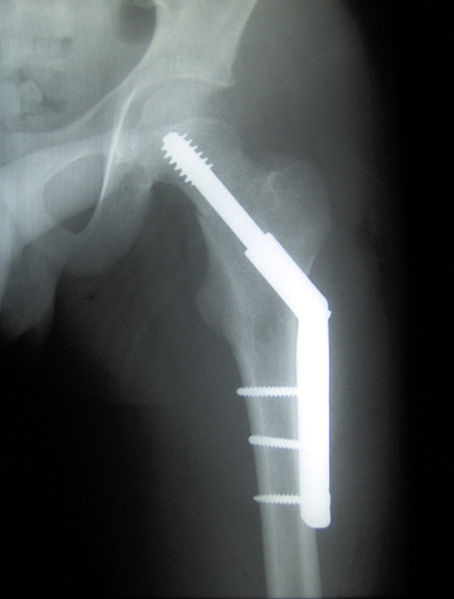
3. Prevent hip fractures:

Kaiser used its electronic record-keeping system on 620,000 people in Southern California and reduced hip fracture rates by 37% to 50% by means of a systematic focus on prevention. Since a hip fracture costs $80,000 on the open market the cost savings are huge.

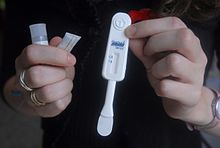
4. Give them a saliva test for HIV:

A popular oral screening method for HIV is just as effective as traditionally used blood tests.
The ‘OraQuick HIV 1/2’ swab-style test demonstrated 99 percent accuracy when used in populations with a high HIV risk and 97 percent accuracy in low risk populations. An accuracy rating of 99 percent is similar to that achieved by HIV blood tests.

5. What about Cancer? How do we advise them?

Lung and Bladder cancer:

Stop Smoking


Colon Cancer:

Offer pleasant prep-free colonoscopies. 

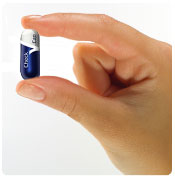
Use Check-Cap’s ingestible and disposable imaging capsule to image the colon in 3D. The capsule will require no bowel cleansing before ingestion and no hospital visit, allowing patients to go about their daily routines without having to alter their activities.

GE is investing in the Check-Cap imaging capsule that can help detect colorectal cancer as it travels through the intestines.

“Deaths from colorectal cancer could be cut by as much as 60% if all people aged 50 years or older received regular screening tests.”

Prostate Cancer:

No known way of prevention yet.

• Learn about prostate cancer

• Talk with your doctor

• Make the decision that’s right for you

Conclusion:

Obviously we can save millions of lives and billions of dollars by preventing disease. The question, therefore, is will we switch from waiting until disease sets in and then trying to cure it or will we pro-actively try to prevent it? As the bard once said, “the fault, dear Brutus, lies not in our stars but in ourselves that we are underlings.”

Leave a comment